
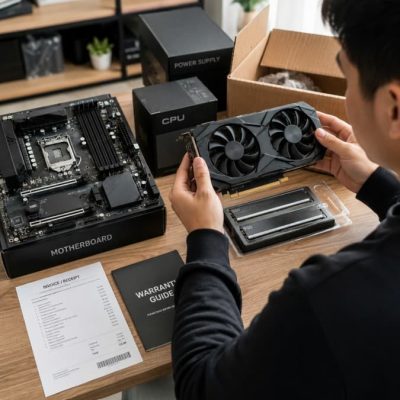
 Building or upgrading a gaming PC is an exciting experience. From choosing a powerful graphics card to selecting the right processor and memory, every component plays a role in creating the system you want. As Pixel Goblins Gaming frequently explores, selecting reliable hardware is just as important as maximizing performance. However, PC hardware can be expensive, and not every purchase goes as planned. Products may arrive damaged, fail shortly after installation, or perform differently than advertised.
Understanding your consumer rights can help you make informed buying decisions and protect your investment. Whether you purchase hardware online or from a local retailer, knowing what protections are available can save you time, money, and frustration if problems arise.
Know What a Warranty Covers
Before making a purchase, read the warranty terms carefully. Some warranties cover only repairs, while others may offer replacement products if the hardware cannot be fixed. Certain warranties also require customers to register their products shortly after purchase to receive full coverage. Keep in mind that warranties generally do not cover accidental damage, misuse, unauthorized modifications, or problems caused by improper installation.
Save Your Proof of Purchase
One of the simplest ways to protect your rights is to keep your purchase receipt or invoice. Retailers and manufacturers often require proof of purchase before processing warranty claims or returns. Digital receipts should be saved in multiple locations, such as cloud storage and email folders. If you receive a printed receipt, consider scanning or photographing it to create a backup. Having clear purchase records makes it much easier to verify warranty eligibility if an issue develops months after purchase.
Understand Return Policies
Retailers often have different return policies than manufacturers. A store may allow returns within a specific period even if the product is working correctly, while manufacturer warranties usually apply only to defective products. Before purchasing gaming PC hardware, check the retailer’s return window and any applicable conditions. Some stores charge restocking fees for opened products, while others may require the original packaging and included accessories. Knowing these policies before opening the box can help you avoid unexpected complications if you decide the product is not suitable for your build.
Be Aware of Online Shopping Protections
Buying PC hardware online offers convenience and competitive pricing, but it also comes with certain risks. Products may arrive damaged during shipping, incorrect items may be delivered, or packages may go missing. Many consumer protection laws require sellers to deliver products that match their descriptions and arrive in acceptable condition. If the hardware differs significantly from what was advertised, consumers may have the right to request a replacement, repair, or refund, depending on local laws. Inspect deliveries as soon as they arrive and report any issues promptly. Taking photos of damaged packaging before opening the box can also be helpful if you need to file a claim.
Watch for Misleading Advertising
Product descriptions should accurately represent the hardware being sold. Specifications such as storage capacity, clock speeds, compatibility, and included accessories should match what customers receive.
If a product is advertised with features it does not actually include, consumers may have legal protections against misleading or deceptive advertising. In these situations, retailers are often expected to correct the issue by providing an exchange, refund, or another appropriate solution. Reading product specifications carefully before completing your purchase also helps reduce misunderstandings.
Check Compatibility Before Buying
Not every gaming PC component works with every system. A processor may require a specific motherboard socket, while memory modules may need compatible chipsets or supported speeds.
Although retailers are responsible for providing accurate product information, buyers should verify compatibility before making a purchase. Returning incompatible components may not always be possible if the retailer’s return policy excludes opened items. Using online compatibility tools or checking manufacturer specifications can help prevent costly mistakes.
Know Your Rights if Hardware Is Defective
Sometimes hardware develops problems shortly after installation. A graphics card may display visual artifacts, a power supply may fail, or memory modules may generate frequent system errors. Contact the retailer or manufacturer as soon as the problem appears. Delaying the claim could affect warranty eligibility in some cases.
Protect Yourself Against Counterfeit Products
Counterfeit PC hardware has become more common in online marketplaces. Fake processors, graphics cards, storage devices, and memory modules may look authentic but often deliver poor performance or fail quickly.
Buying from authorized retailers or reputable sellers significantly reduces this risk. Check seller reviews, verify product packaging, and confirm serial numbers whenever possible. If you suspect you received counterfeit hardware, report the issue immediately through the marketplace or payment provider. Consumer protection laws in many regions offer remedies when counterfeit products are sold as genuine.
Understand Payment Protections
The payment method you choose may provide additional protection beyond standard warranties.
Many credit card companies offer dispute procedures if products never arrive or differ substantially from what was advertised. Some payment services also provide buyer protection programs that help resolve disputes between customers and sellers. Review the protections offered by your payment provider before making high-value purchases, especially when ordering expensive gaming PC components online.
Stay Informed About Local Consumer Laws
Consumer rights vary depending on where you live. Some countries require minimum warranty periods, while others provide additional protections for defective goods or unfair business practices.
Understanding your local consumer laws helps you recognize when you are entitled to a repair, replacement, refund, or other remedy. Government consumer protection agencies often publish helpful guidance explaining these rights in plain language. If a retailer refuses to honor valid consumer protections, these agencies may also provide advice or dispute resolution services.
Conclusion
Knowing how warranties work, keeping proof of purchase, reviewing return policies, and verifying product compatibility all contribute to a smoother buying experience. It is equally important to recognize your rights if hardware arrives damaged, proves defective, or does not match its advertised specifications.
By purchasing from trusted retailers, maintaining accurate records, and staying informed about local consumer protection laws, you can reduce potential problems and respond effectively if issues arise. A little preparation before making a purchase can help protect both your budget and your gaming setup for years to come.